Designing Scalability and Responsiveness

Case Study

Introduction

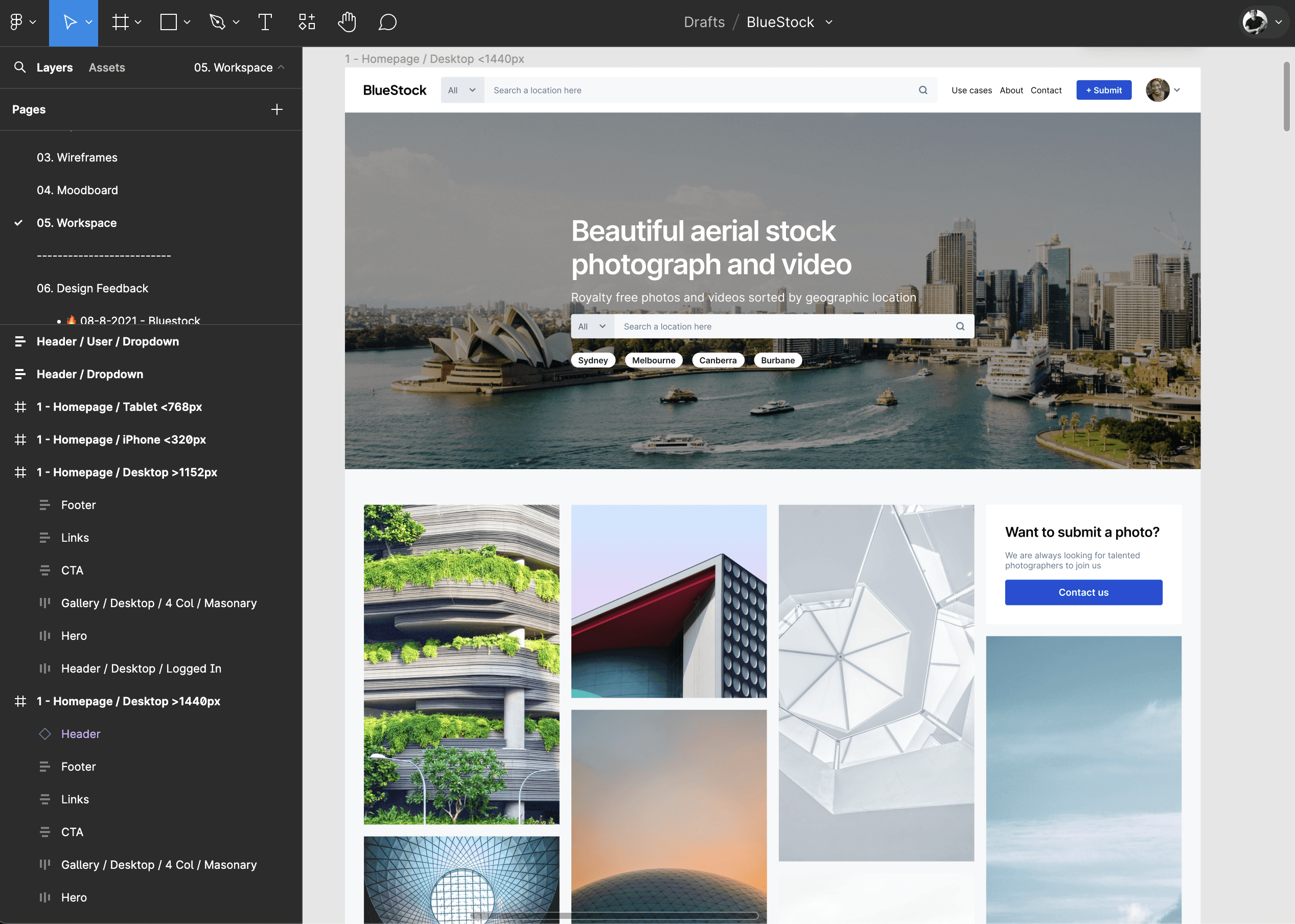
The aim of this case study is to detail the approach taken to enhance the user experience and accessibility of an aerial photography and video website, highlighting the role of design principles in maintaining responsiveness and scalability. The website faced challenges in adaptability and performance across various devices which made difficult the purchase flow.

The goal was to optimize the display of high-quality aerial content, ensuring efficient loading and a seamless user experience on all platforms, leading to significant improvements in user retention and satisfaction.

Research

The initial phase of the project involved research to pinpoint issues with the current landing page. Analysis of website analytics and user surveys highlighted problems like clutter, overlapping pictures, and a lack of filtering options.

These findings pointed to the need for a clearer focus on key features, and the need to start with a mobile first approach to build from the ground up, prioritizing the most common user environment for a universally smooth experience.


Designing wireframes

Serving as a blueprint that guides the adaptive layout for various screens and devices, streamlining the development process for a consistent user experience across platforms.

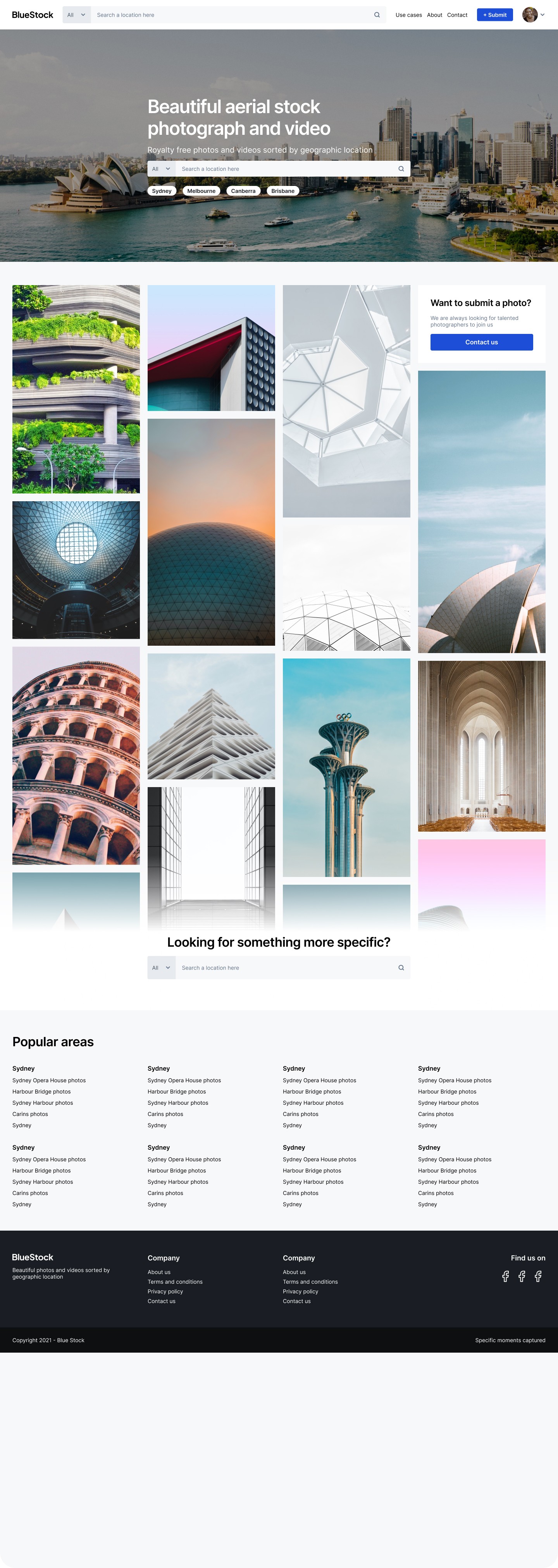
Hi Fi responsive layout

Hi-Fi responsive design ensures content is organized and consistent across all breakpoints, offering a seamless experience on any device
Design phase

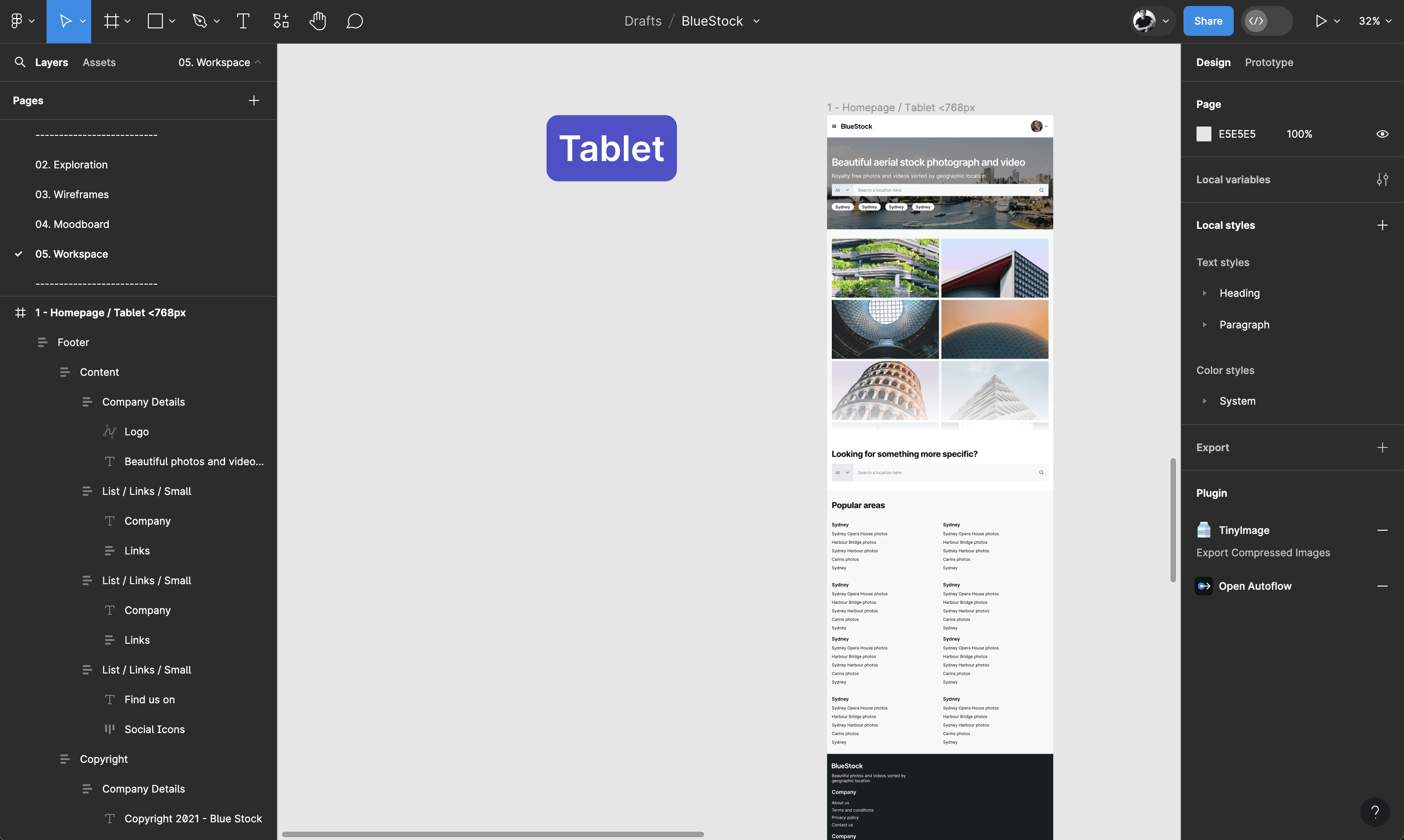
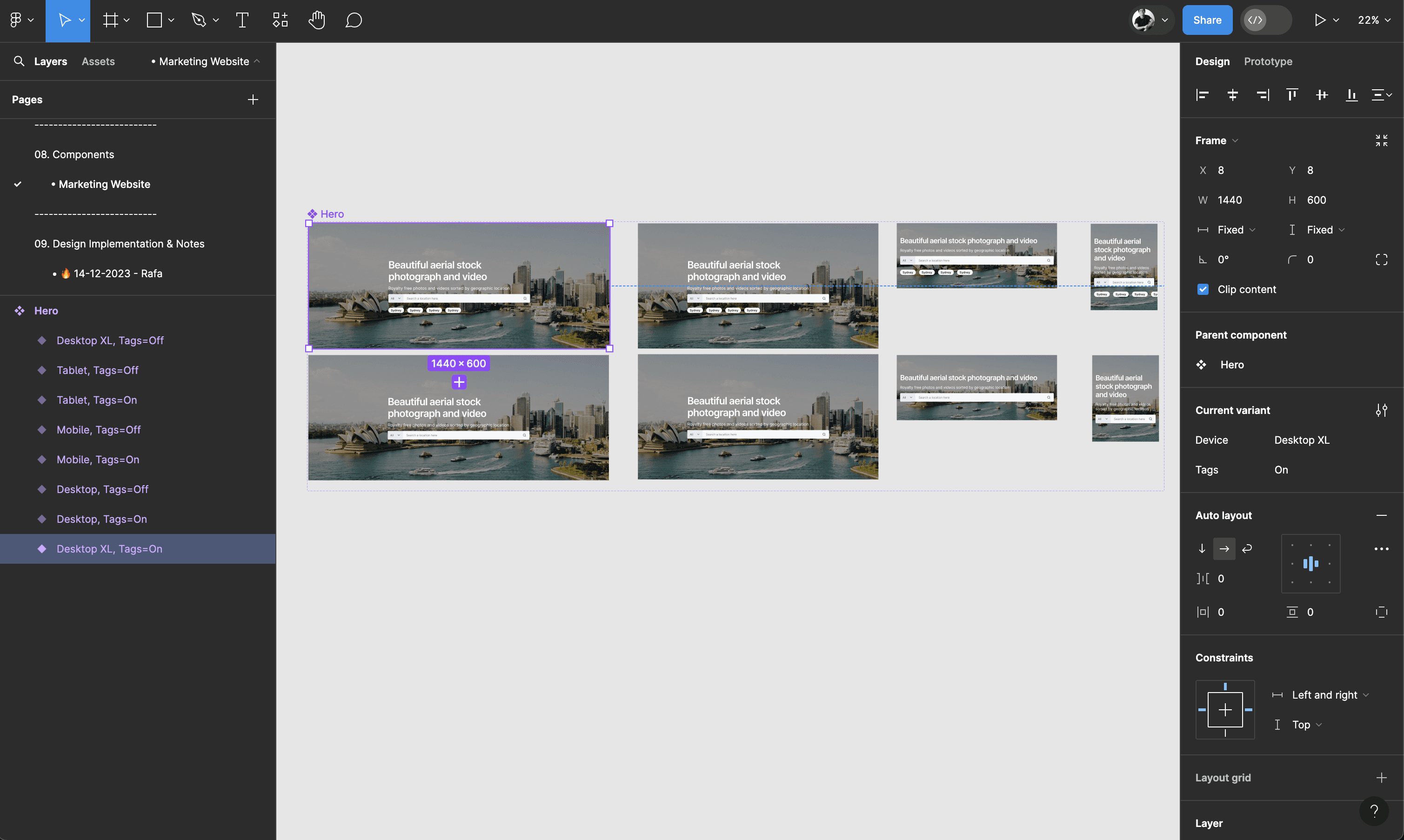
In organizing the naming conventions systematically, the focus was on streamlining the handoff process to developers. This approach ensures clear, unambiguous communication of design elements, facilitating a smoother transition from design to development. By maintaining consistent and logical naming, the development team can easily understand and implement the design, enhancing collaboration and efficiency in bringing the project to fruition.

Validation

The constant iteration was integral to the project, ensuring ease of development and design consistency. Rigorous A/B testing was employed, comparing user interaction with both the standard and newly named elements. Feedback was meticulously analyzed, leading to further refinements. This meticulous validation process not only streamlined the handoff to developers but also significantly improved the design's effectiveness and user engagement.

Summing up

This case study focused on developing a design system that emphasized adaptability, responsiveness, and scalability. It involved redesigning a website to enhance user interaction, employing adaptable layouts for various devices, and ensuring the website's scalability.

The use of systematic naming conventions streamlined the developer handoff process. The redesigned site was validated through user testing, which demonstrated improved engagement and effectiveness, showcasing the impact of a well-planned and responsive design system in web development.

Stay in touch

Subscribe if you'd like to see more of my upcoming projects and panels!

Stay in touch

Subscribe if you'd like to see more of my upcoming projects and panels!

Stay in touch

Subscribe if you'd like to see more of my upcoming projects and panels!

Made by

Rafa Areses

All rights reserved

© 2024

Made by

Rafa Areses

All rights reserved

© 2024

Made by

Rafa Areses

All rights reserved

© 2024

Create a free website with Framer, the website builder loved by startups, designers and agencies.